


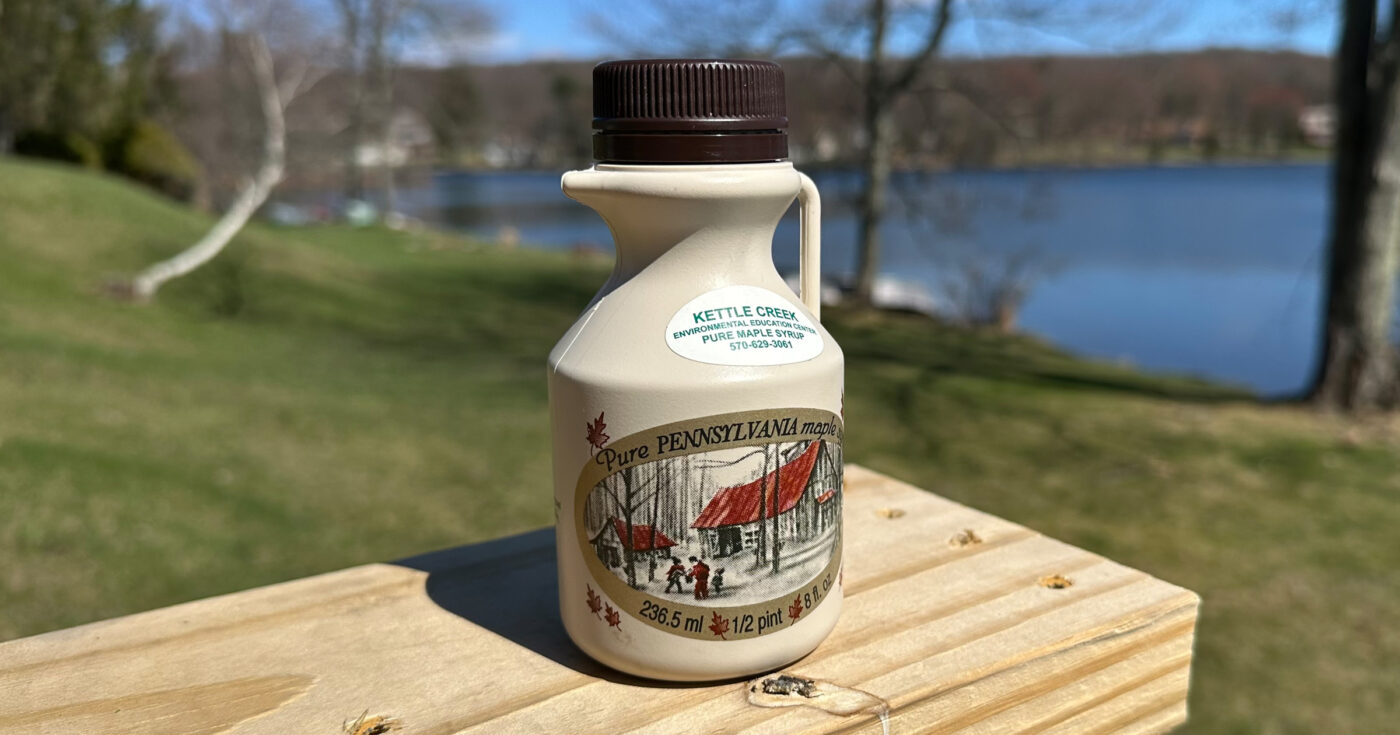
Exploring the Sugarbush
By Warren Joseph
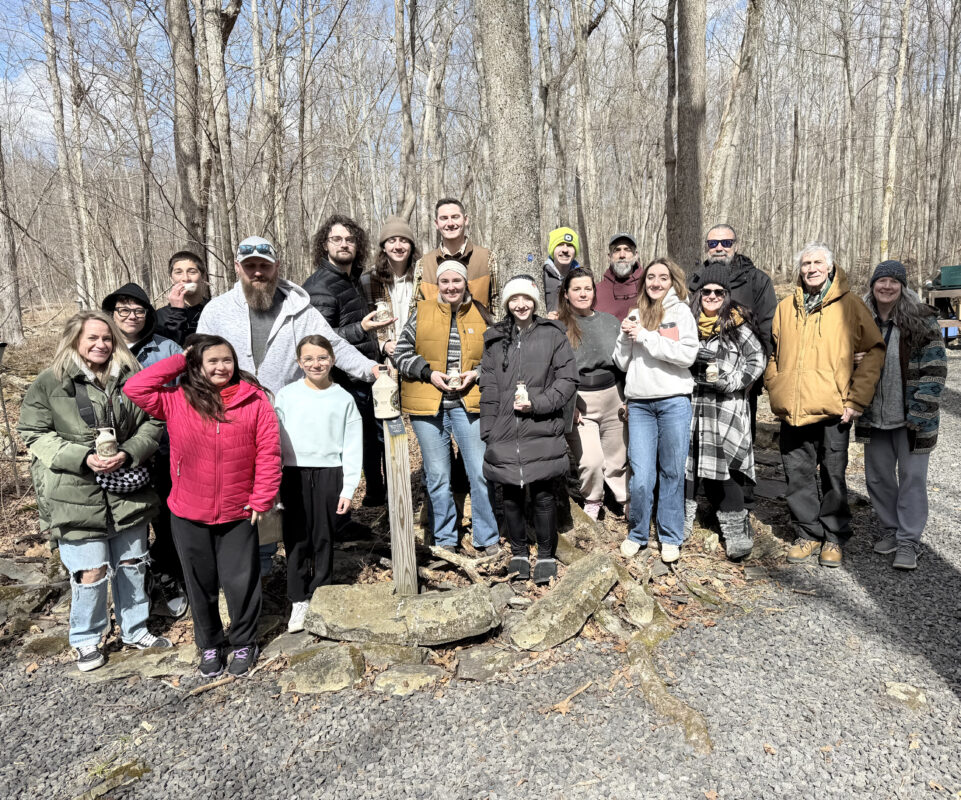
On March 14, our team took a small adventure into the beautiful wilderness of Northeast Pennsylvania to learn about the amazing process of maple sugaring and its rich history. The guides walked us into the past to explain the origins of maple sugar harvesting in the region when settlers were first introduced to maple sugaring by people of the Lene Lenape tribe.
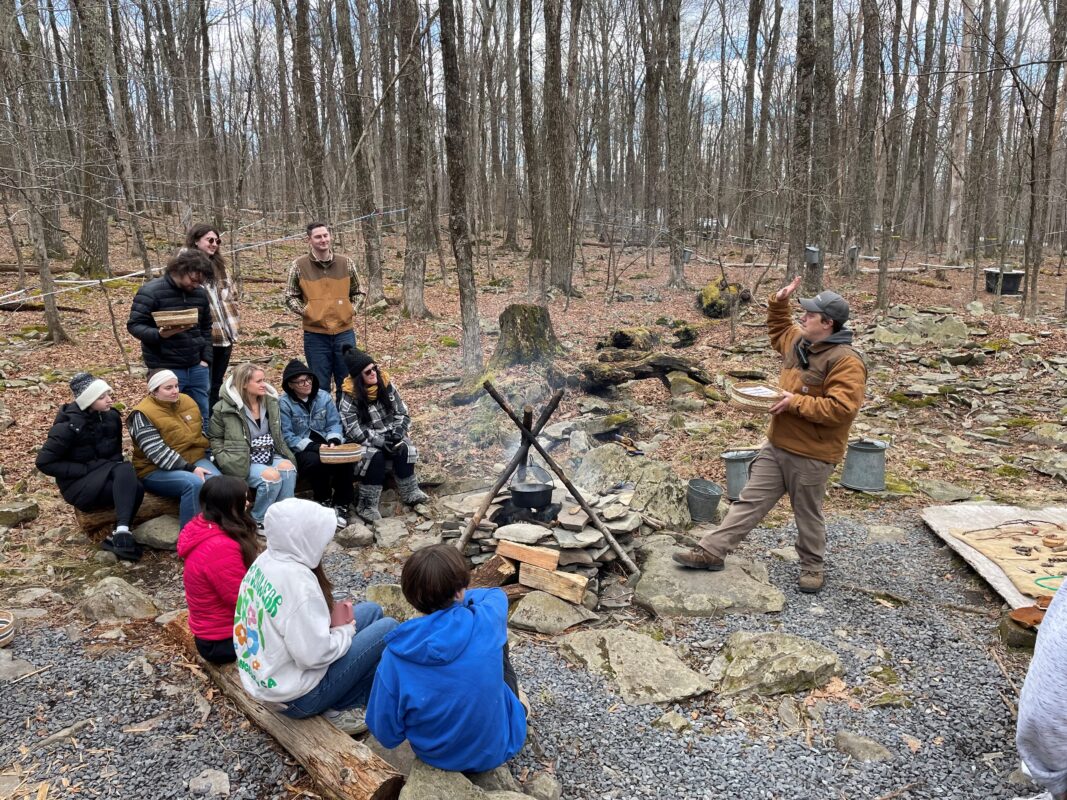
The Lene Lenape were more in touch with nature and first learned of the energizing nature of maple sap by watching Yellow-Bellied Sap Suckers as they tapped and drank from the trees. The Natives began tapping the trees seasonally as they moved around with the weather. They learned to cut V-shaped marks into the tree and harvest the sap in their water skins, pouring it into wooden carved troughs and using fire-heated rocks to boil the sap, repeating the process until it was thicker and richer.
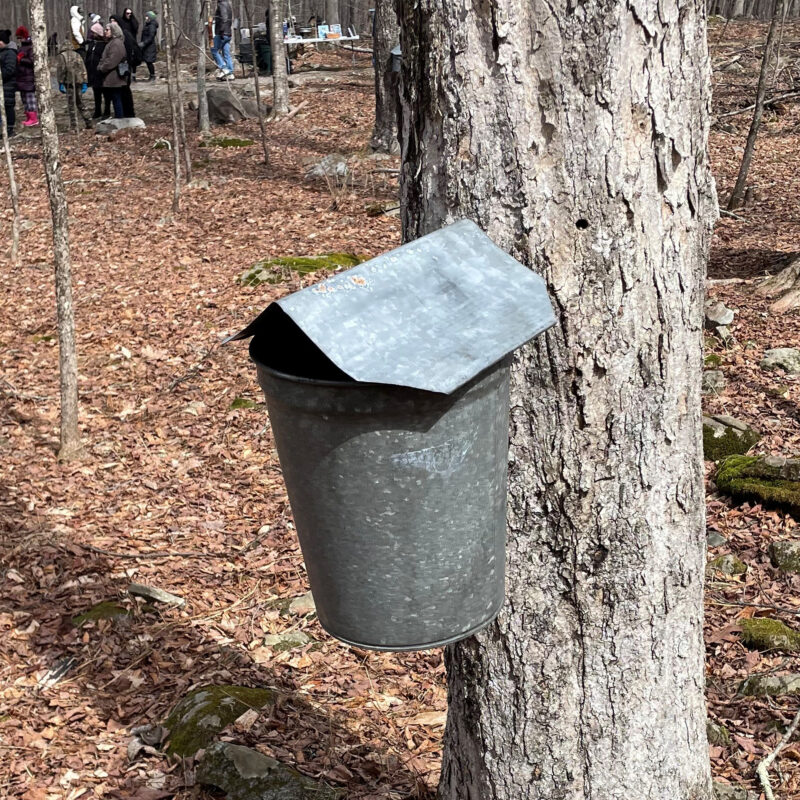
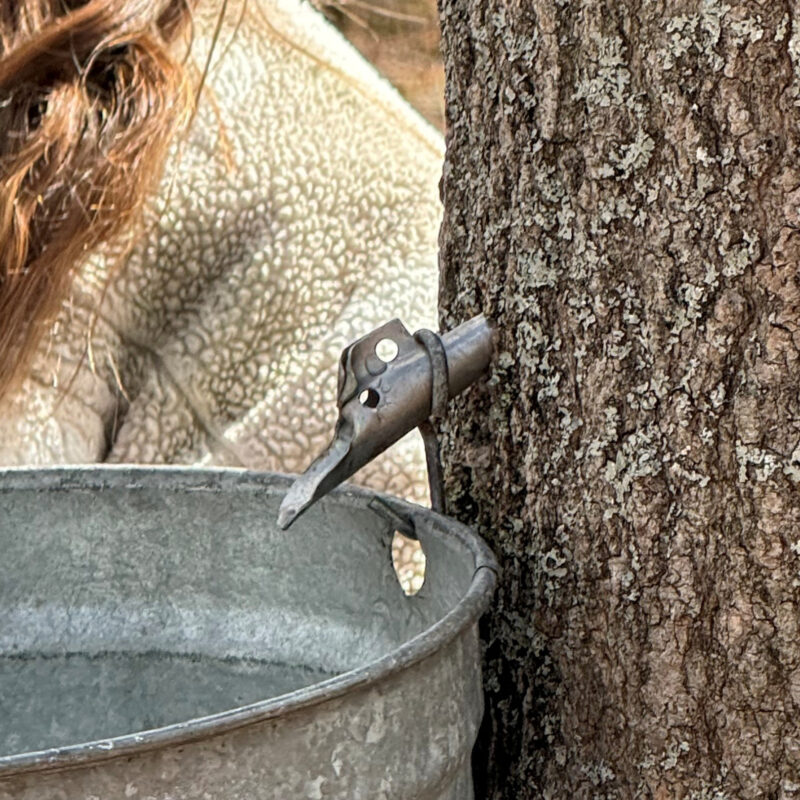
European settlers brought metal tools and built more rigid lives in the region, allowing them to tap the same tree repeatedly and boil the sap down more efficiently. They saw riches to be made in maple sugar; at the time, sugar was expensive and only grown regionally. Maple sugaring opened the door to a much easier and more widespread sugar harvest. Settlers in the region began to make maple harvesting an integral part of their lives.
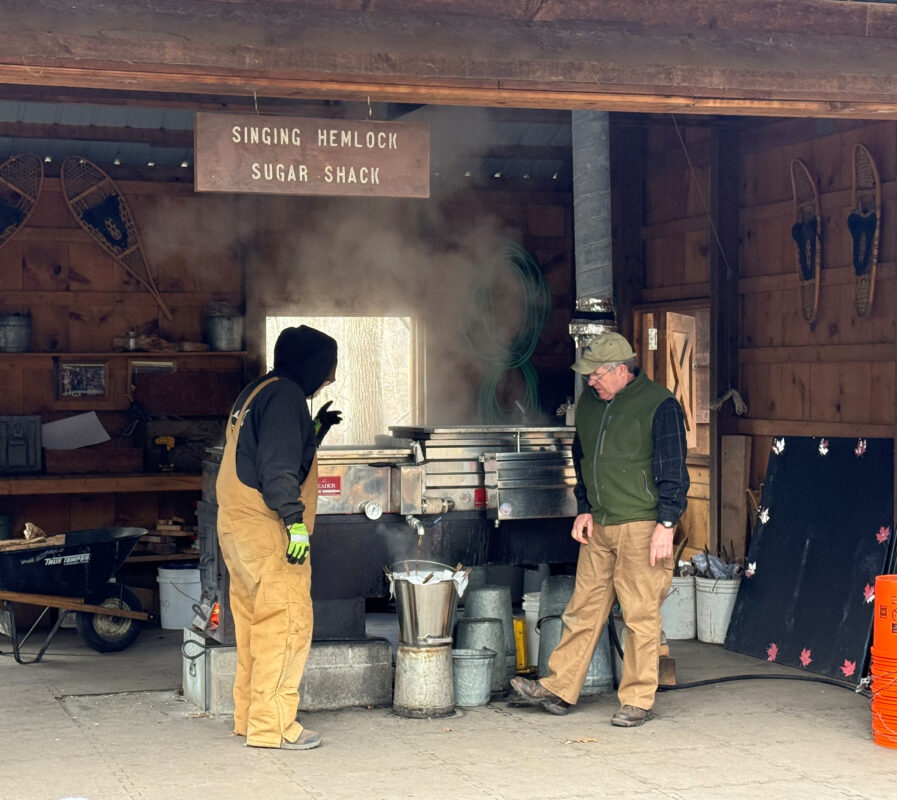
As technology expanded, so too did the maple harvest. Today, the Pocono Environmental Education Center (PEEC) crew harvests maple at the Meesing Sugarbush, and their process yields a gallon of Syrup for every 70 gallons of sap they harvest. They walked us through their process, and they even gave our team some pancakes topped with their very own syrup!
Keep Nature on Tap!
– – –
The Ecological Patriot
Matters of charity, courage, duty, honor, justice, loyalty, patriotism, perseverance, sacrifice, and trust.
