


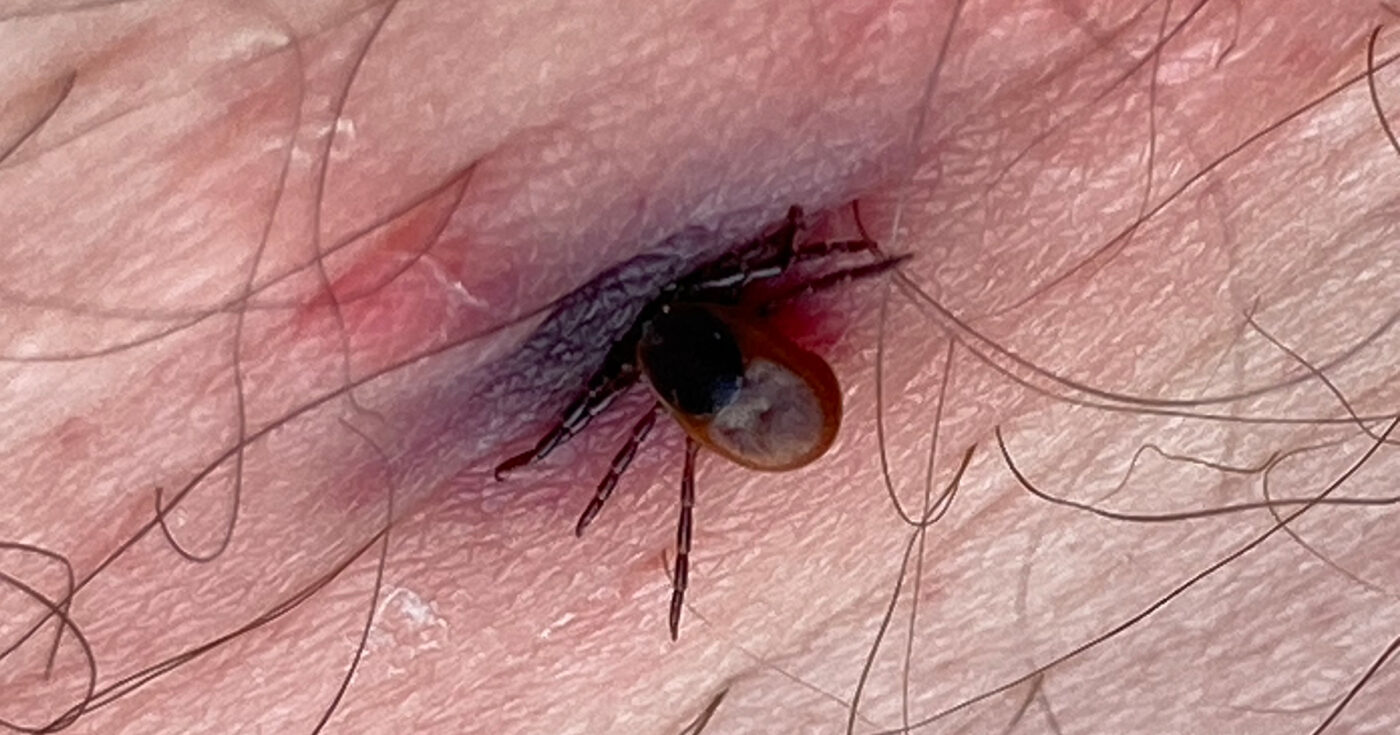
Be On Guard
Ticks are small arachnids with oval-shaped bodies that are found throughout most of the world. They carry Alpha-gal Syndrome, Anaplasmosis, Babesiosis, Ehrlichiosis, Lyme Disease, and Rocky Mountain Spotted Fever. It is important to protect people against ticks to avoid illnesses, ensure worker safety, and comply with safety regulations.
Understand Your Foe
Why do ticks do what they do? What motivates them? What are their weaknesses? With ticks, understanding their why and how can be very helpful.
The only thing ticks eat is blood. Their hunting ground is tall grass, shrubs, and green waste such as leaf piles or fallen branches. They hunt by latching onto animals that pass by. They latch onto people, if we come close enough for one to reach out its claws and grab us.
Weaknesses
Ticks require high humidity. Excessive heat, dry conditions, and even direct sunlight can kill them. Washing clothes is not enough to end these obligate hematophages, but drying on high heat will do the trick.
Ticks are susceptible to specific insect repellents and vulnerable to certain insecticides. Repellents work by disrupting a tick’s receptors whereas insecticides cause paralysis and death.
How Can We Protect Against Ticks?
- Landscaping. Maintain low grass and wide cleared paths through brush in areas where people are required to go.
- Defensive Clothing. Wear full-length pants and long-sleeve shirts, tucking pant legs into socks or boots. Light colors make dark ticks easier to see.
- Repellents/Insecticides: Use tick repellents and/or insecticides to help prevent tick bites. Some substances are meant to be applied to your clothes, some to your skin or hair, and some to the ground. Make sure you’re applying the treatment as instructed by the manufacturer.
- Avoid Risk Areas. Steer clear of tall grass, shrubs, and green waste such as leaf piles or fallen branches.
- Pet Protection. Utilize all methods discussed above to protect your pets against ticks because a tick on your dog could easily lead to a tick on dog’s best friend.
- Inspections. Have a friend or family member check your clothes for ticks before you step indoors.
- Change Clothes. Remove clothes when you first come indoors after being in risk areas and immediately wash and dry on high heat.
- Shower Quickly. While soap and water probably won’t kill ticks, washing them down the drain should solve your problem.
Embedded Ticks. If a tick is found on a person before it bites, remove it with tweezers and flush it down the toilet. Check with the Centers for Disease Control and Prevention for advice dealing with embedded ticks.
Work Safe!
